
Technical Blog
Advantages of Tungsten Carbide Parts
A practical guide for purchasing managers, mechanical engineers and quality engineers evaluating advantages of tungsten carbide parts for precision manufacturing projects.
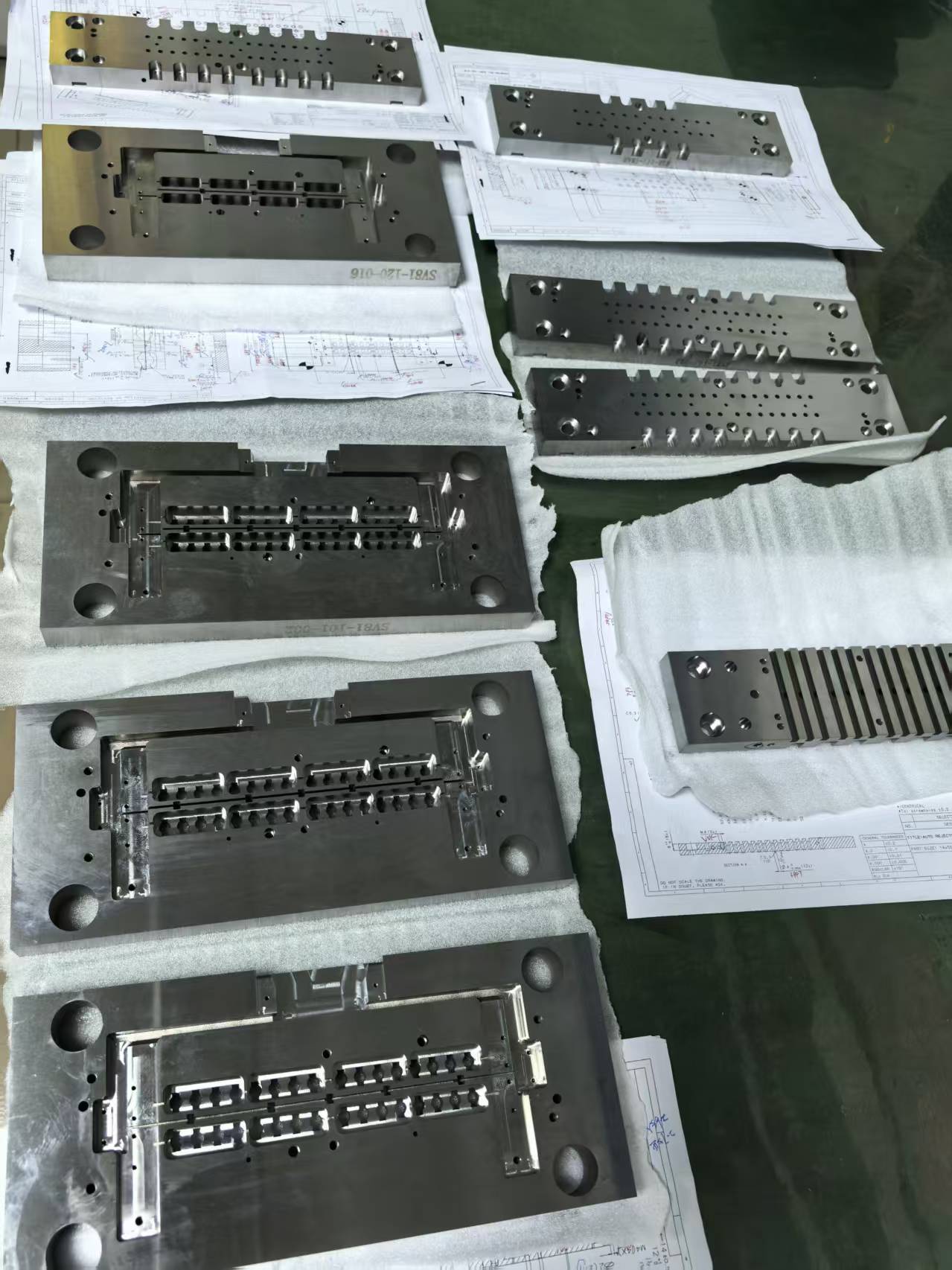
Overview
Tungsten carbide parts are widely used in precision tooling because they combine high hardness, wear resistance and dimensional stability. Compared with many steels, carbide can maintain working edges longer under abrasive or repetitive contact conditions. This makes it valuable for connector punches, precision stamping inserts, cutting edges, guide components and mold wear parts. For buyers who need stable production and reduced tool replacement, carbide can be an effective material choice.
Process Principles
The first advantage is wear resistance. In tooling applications, a component may contact metal strip, resin, ceramic, fixture surfaces or other hard materials thousands or millions of times. A steel part may wear quickly, changing the product dimension or creating burrs. A correctly selected carbide grade can slow wear and maintain the functional geometry longer. This is why carbide is often used for punches and inserts in connector and precision stamping industries.
Application Fit
The second advantage is edge stability. Small cutting edges, micro blades and formed profiles are sensitive to rounding, chipping and deformation. Carbide can maintain a sharp or controlled edge when the application is suitable. However, carbide is not indestructible. It is hard but can be brittle, so the design must consider impact, corner radius, support, coating and assembly condition. A good supplier reviews these risks before machining.
Material Considerations
The third advantage is dimensional stability in precision components. Carbide is often chosen when the buyer wants consistent performance across repeated cycles. Combined with PG grinding, wire EDM and EDM, carbide parts can be produced with accurate profiles and fine features. For example, a connector punch may require a formed edge with ±0.002mm tolerance. The material, grinding process and inspection method must work together to achieve that target.
Tolerance Review
Carbide grade selection matters. Different grades balance hardness, toughness, grain size and binder content. Jinyi lists Japanese carbide materials such as KD, EF, FD and RD series, and can review alternatives from Taiwan or China when cost and performance targets require it. Buyers should avoid specifying only the word carbide without grade or application details. The working environment, expected life and contact material help the supplier recommend a better option.
RFQ Guidance
Coating can further improve performance in some applications. PVD, TiAlN, DLC and other coatings may reduce friction, improve wear resistance or protect the surface. Coating selection depends on film thickness, operating condition, tolerance, edge geometry and cost. If a coating is required, it should be discussed before machining, because coating thickness can affect final dimensions and edge condition.
Quality Control
Machining carbide requires appropriate processes. Ordinary milling is often limited. Wire EDM, PG grinding, surface grinding and EDM are commonly used depending on geometry. PG grinding is strong for formed profiles and cutting edges. Wire EDM is useful for contours and internal shapes. Mirror EDM may support details that are difficult to grind. A supplier with multiple processes can plan the part more safely.
Cost and Lead Time
Inspection is essential because carbide parts are often used in critical tooling areas. The supplier should confirm profile, thickness, hole positions, edge condition and surface roughness according to the drawing. For international buyers, inspection clarity reduces risk because returning parts for rework can be slow and expensive. Drawings should mark critical dimensions and functional surfaces clearly.
Supplier Selection
The cost of carbide parts is usually higher than steel, but the total value can be better when tool life, downtime and product quality are considered. A part that lasts longer and holds tolerance can reduce maintenance and improve production consistency. Purchasing managers should compare total application cost, not only unit price. For high-wear tooling, carbide may justify the investment.
Conclusion
In conclusion, tungsten carbide parts offer wear resistance, edge stability and long service potential for precision tooling and mold applications. They require careful material selection, machining process planning and inspection. Buyers should send complete drawings, expected use conditions and quantity requirements so the supplier can evaluate grade, process route, tolerance and delivery accurately.
Need Help With a Precision Component?
If you are evaluating advantages of tungsten carbide parts for a real project, send drawings, material, quantity and tolerance requirements to Jinyi Precision. Our team can review wire EDM, PG grinding, tungsten carbide, ceramic and precision mold component requirements for international buyers.
RFQ Request
Send drawings for review
Please include material, quantity, tolerance, surface requirement and target delivery date in the form. Please send PDF, STEP, STP, DWG or DXF drawings by Email or WhatsApp after submitting the RFQ form.